
The Ultimate Guide to Roof Replacement & Solar Integration in Austin, TX
Protecting your property against extreme Texas heatwaves, hail storms off the Barton Creek Greenbelt, and escalating energy bills with high-performance roofing systems.
Navigating a residential or commercial roof replacement in Austin, TX requires far more than picking asphalt shingles from a sample book. With Central Texas regularly enduring summer heat spikes above 100°F, unpredicted severe thunderstorms along the I-35 corridor, and strict City of Austin energy codes, your choice of roofing system directly impacts your property value, safety, and monthly utility expenses.
Whether you own a historic Victorian bungalow in Hyde Park, a mid-century family residence in Allandale, or a modern architectural estate overlooking Lake Austin in Westlake Hills, this comprehensive 2026 localized guide provides actionable insights into material selection, municipal building permits, insurance hail claims, and smart solar panel integration.
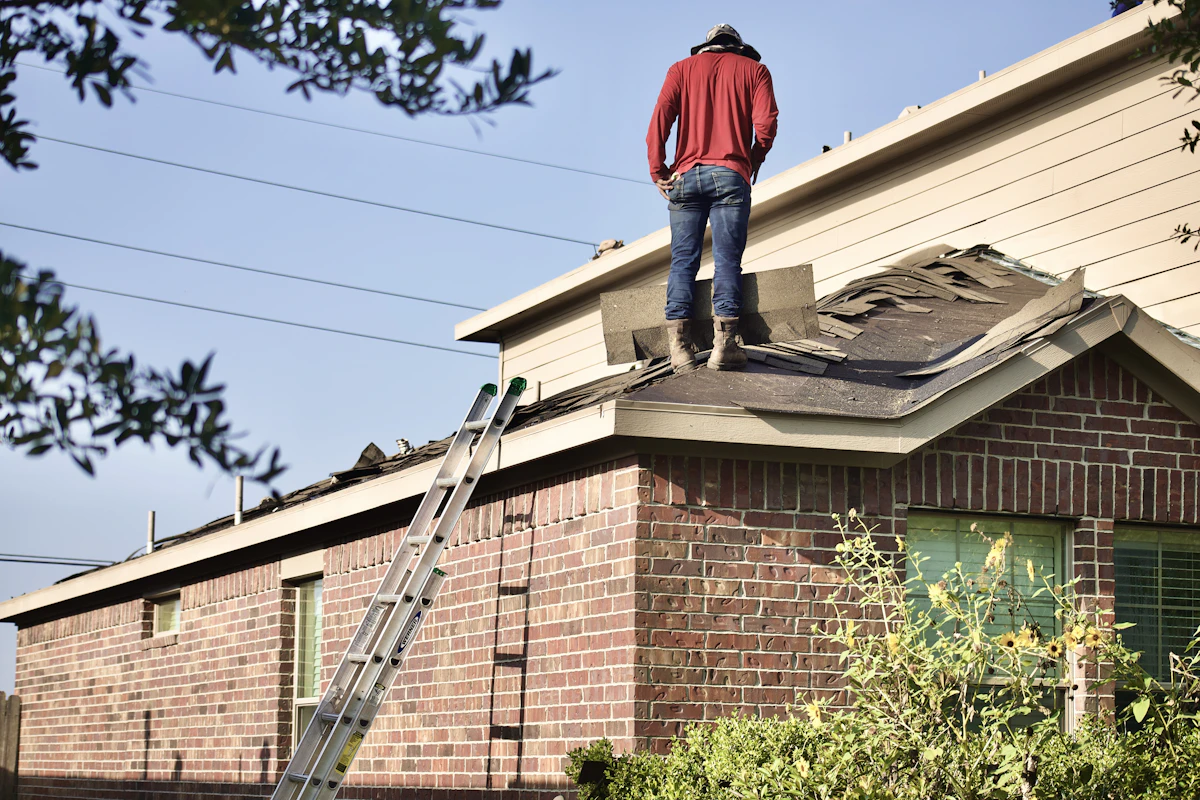
Why Austin’s Unique Climate Demands Specialized Roofing
The microclimates across Travis County and Williamson County place heavy thermal and structural demands on residential roofs. Understanding local environmental stress factors helps you choose materials engineered for long-term endurance:
- Intense Solar Heat Gain: Dark, non-reflective roofing materials act as thermal sponges under the Texas sun. Attic temperatures can easily hit 140°F, forcing your air conditioning unit to run continuously and driving up electric bills.
- Spring Hail & High Winds: Severe weather systems moving through Central Texas often produce Class 3 and Class 4 hail (up to 2 inches in diameter), causing severe granule loss, cracked decking, and unseen moisture leaks.
- High Relative Humidity & Algae Growth: Moisture rising from nearby bodies of water like Lady Bird Lake and Lake Travis fosters blue-green algae stains (Gloeocapsa magma) on shaded northern roof slopes.
Top Roofing Materials Approved for Central Texas Properties
When selecting roofing materials for your Austin home, balance aesthetic harmony with thermal efficiency and HOA guidelines. Here are the leading solutions specified by local architectural standards in 2026:
1. Class 4 Impact-Resistant Architectural Shingles
Architectural (laminated) shingles are the most widely installed roofing option across suburban neighborhoods in Round Rock, Pflugerville, and South Congress (SoCo). Specifying Class 4 UL 2218 impact resistance guarantees protection against heavy hail strikes and wind uplift up to 130 mph. Furthermore, major home insurance providers operating in Texas typically grant annual premium discounts ranging from 10% to 28% for verified Class 4 roof installations.
2. Cool Standing Seam Metal Roofs
Engineered with reflective Kynar 500 coatings, standing seam metal roofs reflect up to 70% of solar radiant energy away from your attic space. They are increasingly popular in sustainable developments throughout East Austin and Zilker. Offering an impressive 50+ year service life, metal roofs are virtually impervious to wind, fire, and fungal growth.
3. Concrete & Terracotta Tile Roofing
A staple for Mediterranean and Spanish Colonial Revival architecture in Lakeway and Steiner Ranch, tile roofs deliver extraordinary thermal mass benefits. They absorb day-time heat slowly and release it at night. However, because tile systems add substantial weight to your structure, an structural engineering evaluation of your rafter framing is mandatory before replacement.

Combining Roof Replacement with Solar Panel Integration
With local clean energy incentives available through municipal utilities and federal solar investment tax credits (ITC), pairing your roof replacement with solar panel installation is one of the most profitable upgrades available to Austin homeowners in 2026.
Replacing your roof prior to or simultaneously with solar mounting prevents expensive un-installation fees down the line. Removing and reinstalling an operational solar array to replace an aged roof later can add between $2,500 and $4,800 in extra labor fees. By coordinating both projects together:
- Roof flashing, underlayment, and solar mounting brackets are installed in tandem, preventing roof leaks.
- You obtain a unified warranty covering both the roofing substrate and the solar mounting penetrations.
- You qualify for maximum utility rebates by optimizing your panel layout on pristine decking.
To review current municipal clean energy incentives and net metering structures, visit the Austin Energy Official Utilities Portal.
⚡ Pro SEO & Energy Tip for Austin Homeowners
Always specify a radiant barrier underlayment or OSB decking with an integral foil barrier during roof replacement. It reflects up to 97% of radiant heat transfer into your attic space, dropping indoor summer temperatures by up to 10°F!
Austin Building Permits, Energy Codes & Local Compliance
The City of Austin Development Services Department strictly enforces building safety standards based on the updated International Residential Code (IRC). Key code compliance items your licensed contractor must handle include:
- Attic Ventilation Ratios: Guaranteeing a balanced 1:150 net free vent ratio between soffit intake vents and ridge exhaust vents to prevent moisture buildup.
- Drip Edge & Ice-Water Shield: Mandating corrosion-resistant drip edge metal along eaves and rakes to shield underlying wooden fascia boards from heavy rain runoff.
- WUI Wildfire Regulations: For homes located in western Travis County adjacent to natural brushlands, non-combustible Class A fire-rated materials are legally required under Wildfire Urban Interface (WUI) safety guidelines.
Always confirm that your chosen contractor is properly registered and insured within the state of Texas. You can verify trade guidelines and license standing via the Texas Department of Licensing and Regulation (TDLR).

2026 Estimated Costs for Austin Roof Replacement
Roof replacement pricing in the Austin metropolitan area depends on roof square footage, pitch steepness, tear-off layer count, and material grade. Below is a baseline cost comparison for standard 2,000 to 2,500 sq. ft. residential homes:
- Standard Architectural Shingles: $8,800 – $12,900
- Class 4 Impact-Resistant Shingles: $11,500 – $16,200
- Standing Seam Cool Metal Roofing: $18,500 – $29,000
- Concrete / Clay Tile Roofing: $25,000 – $42,000+
Frequently Asked Questions (FAQ)
How long does a typical roof replacement take in Austin?
Most standard single-family roof replacements are completed within 1 to 2 business days. Complex roofs with steep slopes, chimney masonry flashing, or custom metal fabrication may require 3 to 5 days.
What is the best season to replace a roof in Central Texas?
While roofing crews operate year-round in Austin, late autumn and early spring provide optimal ambient temperatures (60°F–80°F) for self-sealing thermal shingle strips to bond perfectly before summer heat waves hit.
Will insurance cover roof replacement after a Central Texas hail storm?
If your roof exhibits clear hail impact bruises or wind-torn shingles following a documented storm event, your homeowner’s policy generally covers full replacement cost (less your deductible). Be sure to get a comprehensive physical inspection before filing a claim.